7 Inside Stories from McDonald’s Grimace Shake Viral Trend (And How the Company Reacted)
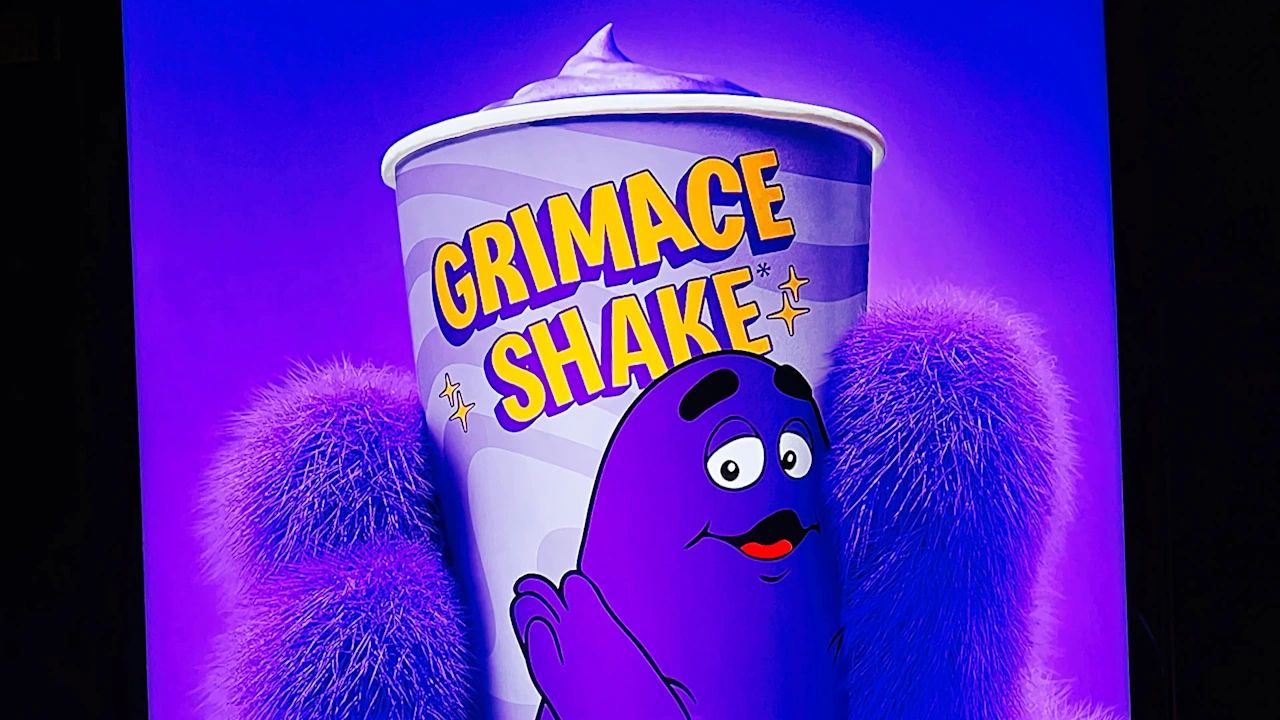
In the summer of 2023, the internet turned a shade of purple no one expected: the McDonald’s Grimace Shake. What began as a limited-edition birthday tribute to an obscure mascot quickly morphed into a bizarre TikTok phenomenon where users filmed themselves collapsing after taking a sip. The trend racked up over 2.9 billion views and boosted McDonald’s quarterly sales by 10%. Yet behind the scenes, the burger giant’s marketing team was caught completely off guard. Here are seven key takeaways from how McDonald’s navigated the viral chaos—straight from the executive who lived it.
1. The Trend Was Never Planned
Contrary to what some conspiracists might think, McDonald’s did not orchestrate the Grimace Shake death trend. Senior marketing director Guillaume Huin explicitly stated on X: “If you think we planted the Grimace Shake trend … thank you. So much. But you think way too highly of us.” The shake was simply released in June 2023 to celebrate Grimace’s birthday—a classic limited-time offer. But within days, TikTok users turned it into a horror-comedy meme, and the company had to scramble to understand what was happening. The viral moment was organic, weird, and completely outside any marketing playbook.
2. The ‘Death’ Videos Were Pure Gen Z Humor
The trend followed a simple formula: film yourself drinking the purple shake, then cut to a scene where you appear to have died—often in a dramatic, humorous way. While it might sound alarming for a fast-food chain, Huin described it as “pure Gen Z humor.” He explained to his superiors that the tone was not malicious but rather a form of absurdist play. The videos were not meant to criticize the product; instead, they were a creative way for young users to engage with the brand’s retro mascot. McDonald’s had to decide whether to laugh along or distance itself from the macabre joke.
3. The First Reaction Was Pure Panic
When Huin first saw the trend on his personal feed, he felt a knot in his stomach. “At first, I won’t lie, this felt like telling your parents about a massive mistake you made that would ruin all your hard work,” he later shared. He immediately messaged leadership with the subject line “Grimace Shake – a very unexpected trend taking over TikTok.” The tone of his note was cautious, almost apologetic. He assured them it was harmless Gen Z humor, but he couldn’t hide his unease. For a legacy brand like McDonald’s, seeing customers fake dying from a product is not exactly a marketing dream.
4. A ‘Situation Room’ Was Activated
Rather than reacting impulsively, McDonald’s assembled a cross-functional team to monitor the trend. The marketing department, social media managers, and legal counsel all joined a virtual “situation room” to assess the risk and opportunity. One internal email was simply titled “what to do?” The team studied how the trend was evolving, whether it was hurting or helping the brand, and how competitors might react. This deliberate approach allowed McDonald’s to gather data before making any public move. It’s a rare glimpse into how large corporations handle viral moments that aren’t in their control.
5. The Decision to Engage Was a Tightrope Walk
After days of deliberation, the team decided to respond—but with extreme caution. Huin emphasized that any post had to feel “subtle” and not “self-serving.” McDonald’s eventually created a playful TikTok video where Grimace himself reacts to the trend, winking at the joke without endorsing the death premise. The goal was to show the brand was in on the humor without encouraging harm or making light of safety. It was a delicate balance: acknowledge the viral moment, but avoid appearing tone-deaf. The video earned millions of views and proved that sometimes the best move is to lean into the chaos.
6. The Sales Boost Was Real—But Secondary
While the trend generated massive online buzz, it also had a tangible business impact. McDonald’s reported a 10% increase in quarterly sales around the time of the Grimace Shake launch. However, Huin stressed that the viral moment did not drive the product’s success alone—the shake was already a limited-time novelty. Still, the free publicity from billions of TikTok views certainly helped. More importantly, the brand learned that allowing user-generated content to flourish—even when it’s quirky—can strengthen cultural relevance. The sales boost became a happy byproduct of a well-handled PR storm.
7. The Trend Reached a Second Life in Germany
Nearly three years later, the Grimace Shake phenomenon didn’t stay in the past. In early 2025, the shake launched in Germany, and the same death-trend resurgence began on German social media. Huin took to X again to share the lessons learned, this time with more confidence. The German team was better prepared, having seen the playbook from the original US wave. This demonstrates how viral moments can have a long tail, and how a brand’s initial response can set the tone for future iterations. For McDonald’s, the purple shake became a case study in embracing the unexpected.
Conclusion: A Masterclass in Viral Humility
McDonald’s Grimace Shake story offers a valuable lesson for any brand: you can’t control what goes viral, but you can control how you respond. By staying calm, forming a crisis team, and ultimately engaging with humor rather than fear, McDonald’s turned a potentially awkward moment into a cultural win. The true genius wasn’t in planning the trend—it was in having the humility to let it evolve. As Huin put it, “If you thought we would never acknowledge the trend … I thought so too at first.” Sometimes, the best marketing is knowing when to step back and let the internet do its thing.
Related Articles
- 10 Game-Changing Facts About Go 1.26's Source-Level Inliner in //go:fix
- Navigating AI Governance in Enterprise Vibe Coding: A Practical Guide
- Crafting the Perfect Programming Question: Your Self-Help Debugging Guide
- Five Tool-API Design Patterns to Stop LLM Agents from Looping and Failing Silently
- Go 1.26 Arrives with Language Enhancements, Performance Gains, and New Experimental Features
- Visual Studio Code Python Extension: Key Updates in March 2026
- Mastering Multi-Agent Harmony: 10 Principles for Scaling AI Collaboration
- Modernizing Go Code with //go:fix and Source-Level Inlining