5 Ways the Original Mortal Kombat Film Beats the Video Games at Their Own Game
Before the blockbuster video game franchise became a cinematic universe, the 1995 Mortal Kombat movie captured lightning in a bottle. While the games focused on high-octane combat and brutal finishing moves, the film dared to tell a story with real emotional weight. It brought the tournament to life with tangible stakes, memorable characters, and an atmosphere that even the most advanced modern games struggle to replicate. Here are five ways that original movie still outshines its interactive counterparts.
1. The Tournament Feels Like an Epic Event
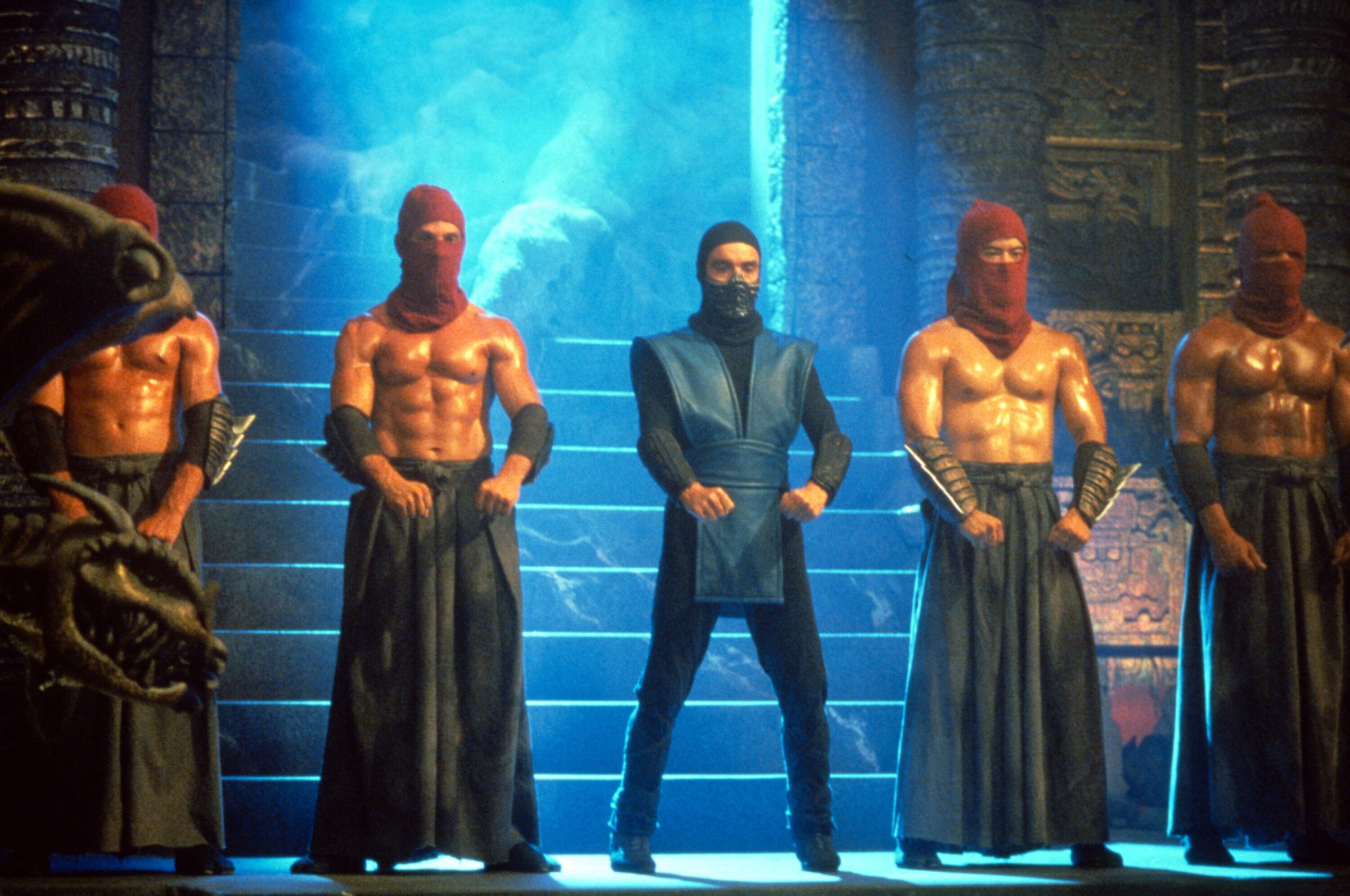
In the movie, the Mortal Kombat tournament isn't just a series of fights—it's a sacred contest with cosmic consequences. Shang Tsung's island is cloaked in mystery, with strict rules and a palpable sense of danger. The games often reduce the tournament to a mere menu selection or plot device, but the film makes every match feel like a life-or-death struggle. The stakes are clarified early: if Earthrealm loses, the realm is doomed. This epic framing elevates the fights beyond mere gameplay and gives each victory a weight that the games rarely achieve.
2. Characters Have Real Emotional Depth
While the games are famous for their archetypes, the movie gives each fighter a personal motivation. Liu Kang fights for the honor of his fallen brother, Sonya Blade seeks revenge for her partner's death, and Johnny Cage is desperate to prove his worth beyond Hollywood fame. These backstories are woven into the plot, making their victories and losses resonate. The games often rely on brief intro dialogues and endings, but the film invests in its ensemble cast, turning them into people we care about—not just pixelated combatants.
3. The Score Creates an Unforgettable Atmosphere
Few video game adaptations boast a soundtrack as iconic as George S. Clinton's Mortal Kombat score. From the haunting chants of the main theme to the aggressive techno beats during fight scenes, the music perfectly captures the film's blend of ancient mysticism and modern action. The games have their own famous themes, but they're often repetitive background loops. The movie's score is dynamic, underscoring every emotional beat and intensifying the tournament's grandeur. It's a rare example of music elevating a film beyond its source material.
4. The Rules of the Tournament Are Clear and Respected
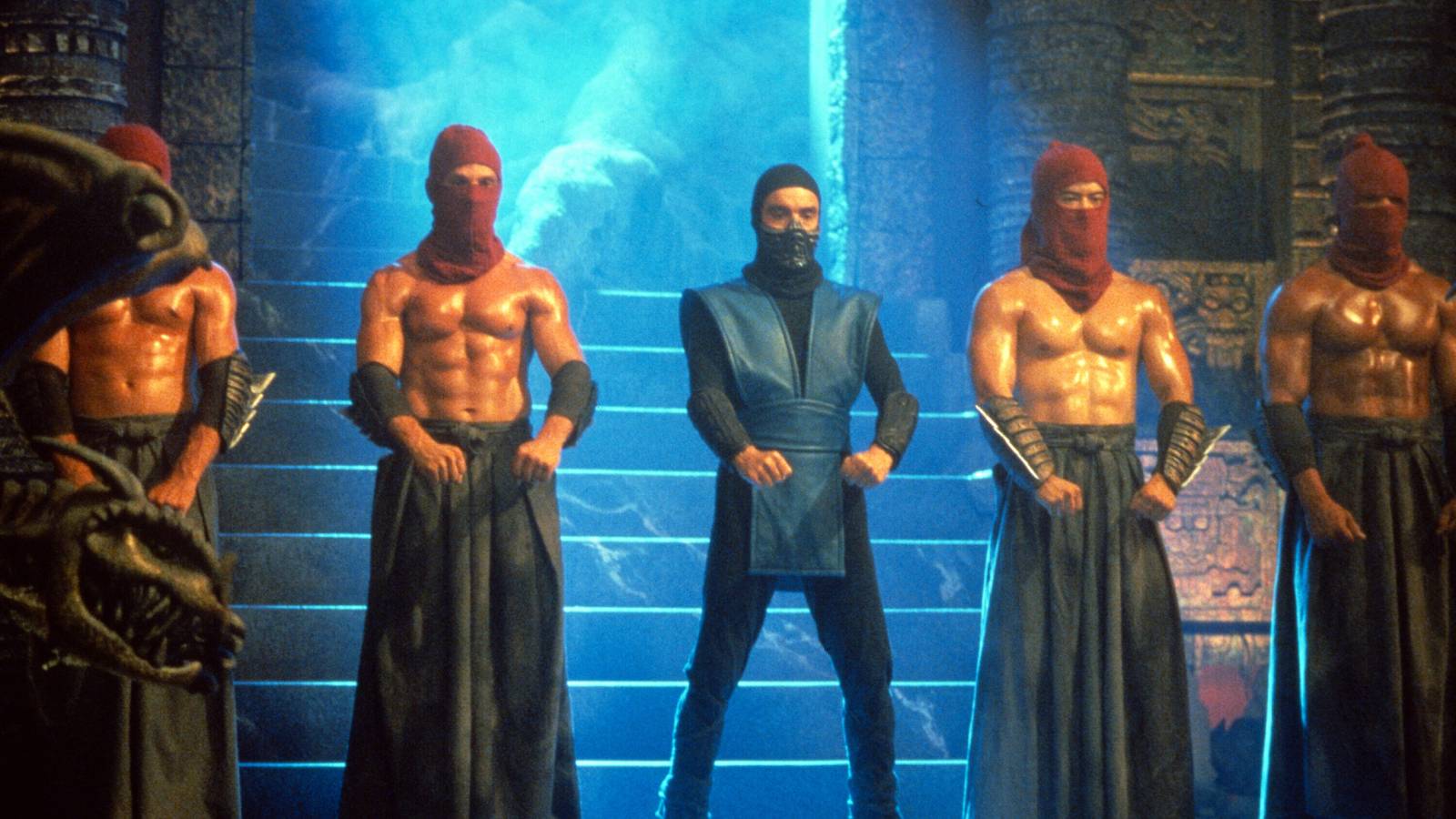
In the movie, the tournament follows a strict code: no weapons from outside the island, no interference, and each fighter must represent their realm. These rules create tension and strategic thinking—just like an actual competition. The games, on the other hand, often abandon logic for gameplay mechanics (like unlimited continues or random stage fatalities). The film's adherence to its own rules makes the outcome feel earned, not arbitrary. Even the villains play by the rules up to a point, which adds a layer of sportsmanship rarely seen in the games.
5. The Climax Is a True Team Effort
The final battle isn't just a one-on-one showdown; it's a collective victory. Liu Kang defeats Shang Tsung, but only after Sonya and Johnny have their own crucial moments. The film emphasizes that teamwork saves the day, a message that stands in contrast to the solitary nature of most fighting games. The movie's ending is triumphant because every character contributes, making it feel like a shared triumph. Even the games that eventually introduced team modes couldn't replicate the emotional payoff of seeing these fighters unite for a common cause.
The 1995 Mortal Kombat movie may be a product of its time, but its masterful storytelling and atmospheric direction continue to inspire fans and developers alike. While the games have evolved in technology and complexity, they often lose sight of the simple but powerful narrative that made the tournament so compelling. Perhaps future titles can take a page from the film's playbook and remember that the best fights are the ones backed by heart and soul.
Related Articles
- California Bill Aiming to Prevent Game Servers from Going Dark Faces Industry Backlash: ESA Says Proposal Ignores Realities of Game Development
- Navigating the End of Xbox Copilot AI: A User’s Guide to What’s Next
- Inside the Riven AI Art Controversy: Robyn Miller and Fangamer Respond
- Decoding Rockstar's Console-First Strategy: Why GTA 6 Skips PC at Launch
- Android Handheld Woes: AYN Cancels Odin 3 Ultra Amid Persistent RAM Shortage
- The PS6 Price Problem: 10 Critical Factors That Could Force Sony to Rethink Everything
- 5 Must-See Tech Bargains: From Samsung Tablets to Gaming Handhelds
- How Plants Orchestrate the Mathematical Dance of Light Adaptation