How to Use AI to Recreate Your Mom's Perfectly Crispy-Sweet French Toast
Introduction
Everyone has that one family recipe that feels impossible to replicate—the French toast your mother used to make, with its golden, crispy edges and a sweet, tender heart. Now, thanks to tools like ChatGPT and Gemini, you can ask AI to help you crack the code. In our test, one AI nailed the exact technique for that crispy-sweet finish. This step-by-step guide walks you through how to prompt an AI for a perfect French toast recipe, then execute it in your own kitchen. You'll get the same nostalgic taste without a single phone call home.
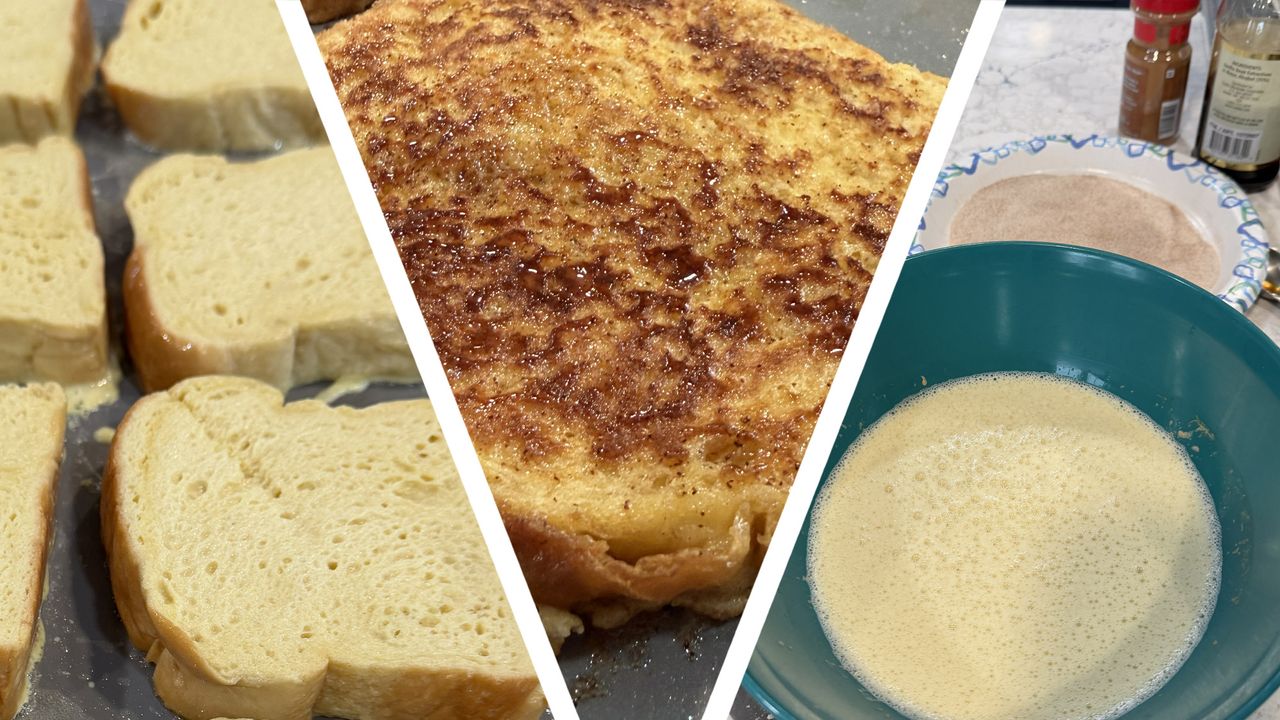
What You Need
Ingredients
- 4 thick slices of brioche or challah bread (day-old works best)
- 3 large eggs
- ½ cup whole milk
- 2 tablespoons granulated sugar
- 1 teaspoon vanilla extract
- ½ teaspoon ground cinnamon
- Pinch of salt
- 2 tablespoons unsalted butter (for cooking)
- Maple syrup, powdered sugar, or fresh berries for serving
Tools & Equipment
- Shallow dish or pie plate (for batter)
- Whisk or fork
- Non-stick skillet or griddle
- Thin metal spatula
- Paper towels (for drying bread)
- Plate for cooked toast
Step-by-Step Guide
Step 1: Ask the AI for a French Toast Recipe That Prioritizes Crispiness
Open ChatGPT or Gemini and type a detailed prompt. For example: “Give me a French toast recipe that produces a crispy, caramelized exterior and a soft, custardy interior—just like my mom used to make. Include specific ratios and cooking tips.” Be explicit about the texture you want: crispy-sweet finish. The AI will likely suggest a higher sugar content in the batter and a higher heat for searing.
Step 2: Prepare the Bread
Slice your brioche or challah into 1-inch thick slices. If the bread is fresh, let it sit out for an hour or toast it lightly in a 300°F oven for 5 minutes. This dries the surface so it doesn't soak up too much batter and become soggy. Pat each slice gently with a paper towel.
Step 3: Make the Custard Batter
In a shallow dish, whisk together the eggs, milk, sugar, vanilla, cinnamon, and salt until smooth. The AI might suggest resting the batter for 5 minutes so the sugar dissolves fully. For extra richness, add a tablespoon of melted butter to the mix.
Step 4: Dip the Bread — But Don't Drown It
Dip each slice into the batter for about 15–20 seconds per side. Let the excess drip off. The key is a quick bath, not a soak. Over-soaking makes the inside gummy and prevents crispiness. Place dipped slices on a wire rack or plate.
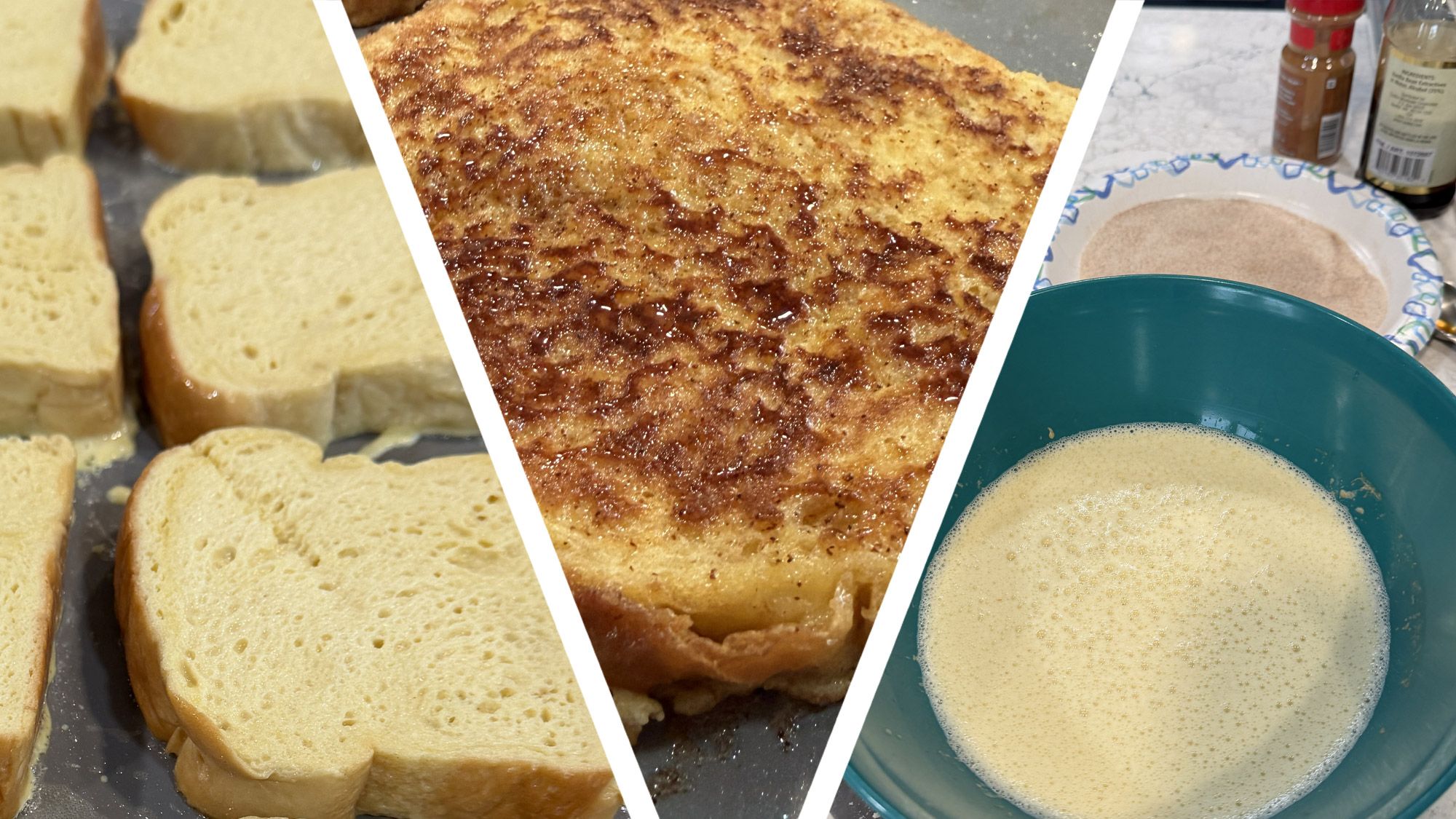
Step 5: Heat the Skillet to the Right Temperature
Place your skillet over medium-high heat. Add 1 tablespoon of butter and let it melt until it foams but doesn't brown. Too low heat = soggy toast; too high = burnt outside, raw inside. The AI's tip: test with a drop of batter—it should sizzle immediately.
Step 6: Cook Until Golden and Crispy
Carefully lay the dipped bread in the skillet. Cook for 2–3 minutes per side, until the bottom is deep golden brown and the edges are crisp and lacy. Use a thin spatula to flip gently. The second side cooks slightly faster, about 1.5–2 minutes. Repeat with remaining butter and slices.
Step 7: Serve Immediately with the Right Toppings
Stack the French toast on a warm plate. Dust with powdered sugar, drizzle with pure maple syrup, and add fresh berries. Avoid wet toppings like whipped cream if you want the crispiness to last. The AI suggested serving on a preheated plate to keep the exterior crunchy.
Tips for the Crispy-Sweet Finish
- Use a cast-iron skillet: It retains heat better and creates a more even crust.
- Don't overcrowd the pan: Cook only 1–2 slices at a time. Crowding lowers the pan temperature and leads to steaming instead of searing.
- Sprinkle a little extra sugar on the batter side before flipping: This caramelizes and creates a crackly crust.
- Let the cooked toast rest on a wire rack instead of a plate, so steam escapes and the crispiness stays.
- Experiment with AI prompts: Ask for variations like brioche vs. sourdough, or dairy-free options. The AI can adapt the recipe to your pantry.
By following these steps and using AI as your virtual sous-chef, you'll capture that childhood memory of golden, crispy-sweet French toast. No need to call Mom—but she'll be impressed when you serve her a plate.
Related Articles
- Self-Evolving AI: MIT's SEAL Framework Marks a Milestone in Machine Learning Autonomy
- Building a Future-Ready Workflow with AWS’s New AI Agents: A Hands-On Guide
- How to Transition from LangChain to Native Agent Architectures for Production AI Systems
- Elon Musk Declares ‘OpenAI Wouldn’t Exist Without Me’ in Explosive Court Filing That Turns Feud With Sam Altman Into a Founders’ War
- How to Build a Virtual Agent Team for Faster Shipping: A Step-by-Step Guide from Docker's Coding Agent Sandboxes Team
- 10 Essential Facts About Gemini's New File Generation Feature
- NVIDIA Deploys OpenAI's GPT-5.5 on In-House Infrastructure — 10,000 Employees See 'Mind-Blowing' Productivity Gains
- Anthropic Launches Claude Opus 4.7 on Amazon Bedrock: 'Most Intelligent' Model Yet for Enterprise AI