Your Ultimate Guide to May 2026 Skywatching: Meteors, Planets, and a Blue Moon
What You Need to Get Started
Before you head outside, gather these essentials for a successful skywatching session:
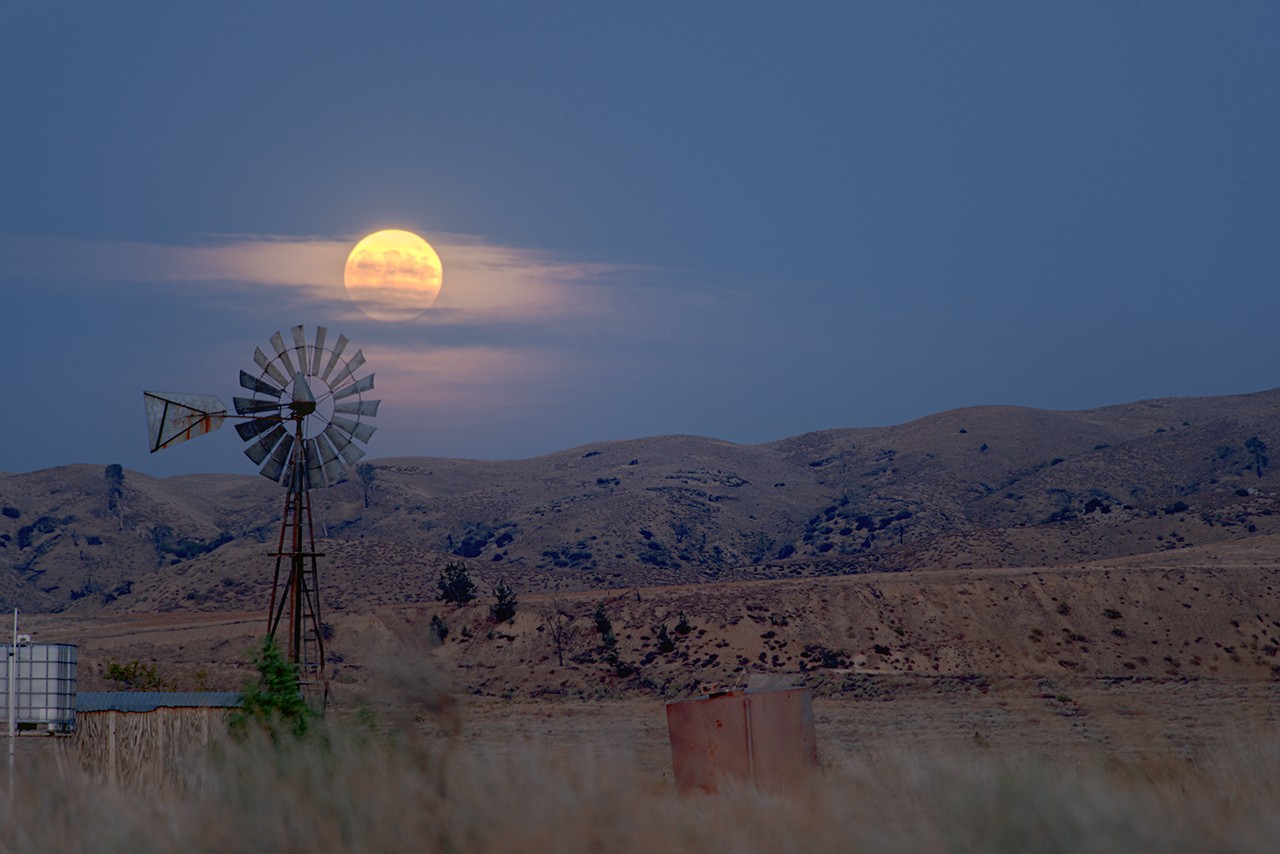
- A dark location away from city lights
- Warm clothing and a blanket or reclining chair
- Red-light flashlight (to preserve night vision)
- Sky map or astronomy app (optional but helpful)
- Binoculars or a small telescope (for planets and Moon details)
- Patience and at least 20–30 minutes for eyes to adapt
Step-by-Step Skywatching Guide
Step 1: Scout Your Viewing Spot for the Eta Aquarid Meteor Shower
When: Early May, peak on May 5–6, before dawn.
What to do:
- Choose an open area with a wide view of the eastern horizon.
- Arrive 30 minutes before your planned start time to let your eyes adjust.
- Turn off all bright lights, especially your phone screen.
- Lie back and scan the sky — meteors radiate from the constellation Aquarius (eastern sky).
- Watch for fast, glowing streaks: Eta Aquarids travel at 40 miles per second and often leave persistent trains.
Tip: Under ideal conditions, you could see up to 50 meteors per hour, but this year's nearly full Moon may wash out fainter ones. Focus on the brightest meteors after moonset (check local times).
Step 2: Observe the Moon and Venus Conjunction
When: May 18, just after sunset, looking west.
What to do:
- Find a spot with a clear view of the western horizon.
- Look for a thin crescent Moon — it will be easy to spot.
- Right beside it, you'll see an extremely bright point of light: Venus, often called the “Evening Star.”
- Use binoculars to see both in the same field of view; the Moon's dark side may be faintly visible due to earthshine.
- Note: though they appear close, Venus is millions of miles away behind the Moon.
Bonus: This conjunction makes a great photo opportunity — try capturing the pair with a DSLR on a tripod.
Step 3: Catch a Rare Blue Moon
When: May 31, Full Moon (second Full Moon of the calendar month).
What to do:
- No special equipment needed — just look up at night on May 31.
- Understand that “Blue Moon” does not mean the Moon turns blue; it's the name for the second Full Moon in a month.
- Observe how the Moon appears slightly larger near the horizon (the “Moon illusion”).
- If you have a telescope, examine the craters and maria (dark plains) along the terminator line.
Why rare: “Once in a blue moon” reflects the infrequency – about every 2.5 years.
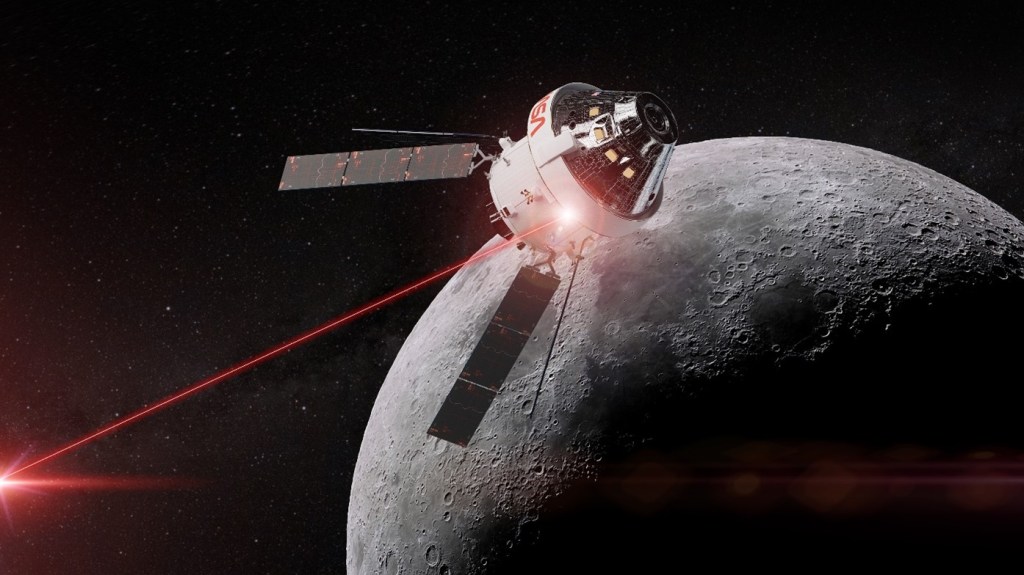
Step 4: Track the Moon's Phases Throughout May
When: All month.
What to do:
- Check NASA's Daily Moon Guide or your favorite astronomy app to see each day's phase.
- May 1: New Moon (dark skies for stargazing).
- May 15: First Quarter (best for viewing lunar mountains and craters).
- May 23: Last Quarter (good for seeing the Moon in the morning sky).
Tips for the Best Experience
- Plan for weather: Check local forecasts; clear skies are critical. If clouds block your view, try again the next night.
- Digital tools: Use apps like SkySafari, Stellarium, or NASA's “Spot the Station” to get precise time and location info.
- Safety: Never look directly at the Sun, especially when using binoculars or telescopes.
- Share the moment: Invite friends or family — more eyes mean more meteors spotted!
- Be patient: Give your eyes a full 20 minutes to adapt, and avoid any white light.
May 2026 is packed with celestial events: fast meteors from Halley's Comet, a brilliant Venus-Moon meetup, and a rare Blue Moon to close the month. With this guide, you're ready to enjoy every one of them. Happy skywatching!
Related Articles
- From Starburst to Slumber: Understanding Lenticular Galaxies via Hubble's View of NGC 1266
- New Gradient-Based Planner GRASP Unlocks Long-Horizon World Model Planning
- How NotebookLM Turned My Chaotic Bookmarks Into a Research Powerhouse
- Capturing Mars Ahead of a Flyby: A Guide to NASA's Psyche Mission Image
- 7 Fascinating Facts About Asteroid 2026 JH2's Historic Close Approach
- Rooftop Solar 'Fingerprinting' Breakthrough Enables Accurate Forecasting of Australia's Largest Generator
- The Youngest Northerner: 11,000-Year-Old Toddler Unearthed in Cumbrian Cave Rewrites Ancient History
- Your Guide to Staying Positive and Influencing Change in Uncertain Times